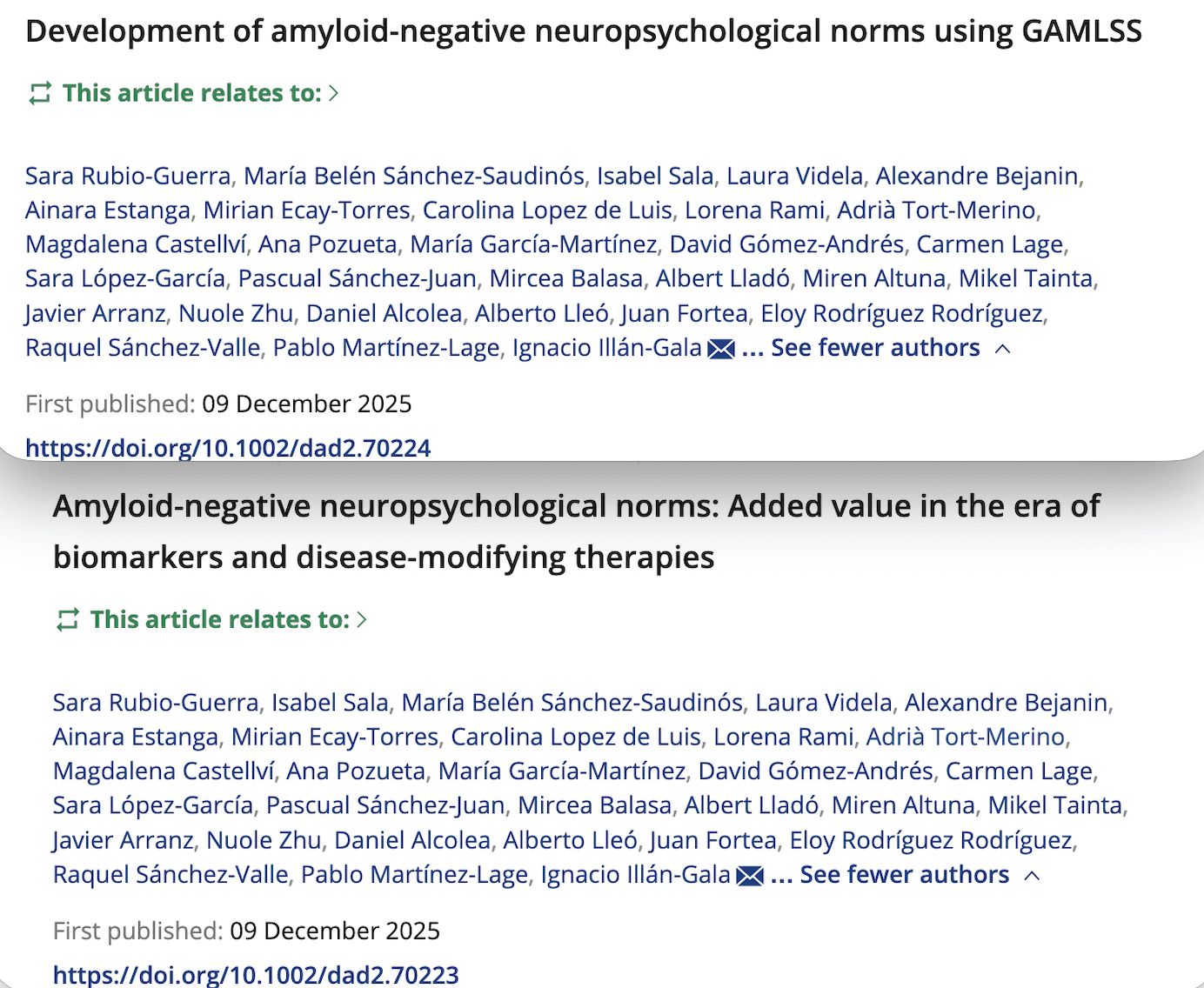
New reference values for cognitive normality allow earlier detection in one of every five cases of mild cognitive impairment

The first step in the diagnostic workup of individuals presenting with cognitive symptoms is to determine whether there is objective cognitive impairment. Ideally, this is done through a neuropsychological evaluation: a battery of cognitive tests in which the patient’s performance is interpreted as normal or abnormal as compared to reference values. These reference values are … Read more

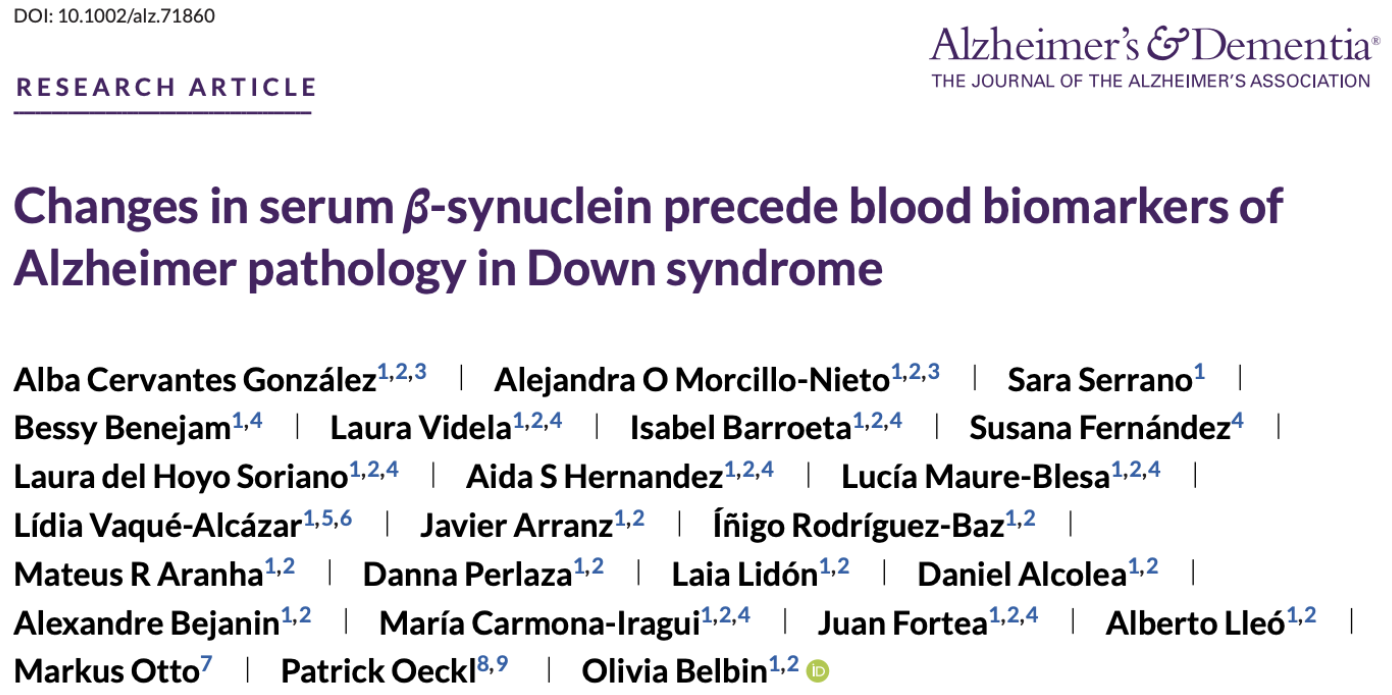
proNGF in Neuron-Derived Extracellular Vesicles: An Early Alzheimer’s Signature in Down Syndrome

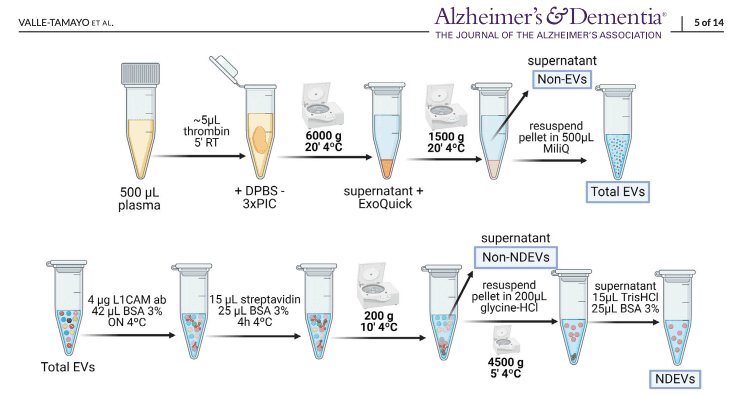
Extracellular Vesicles - Sant Pau Memory Unit

proNGF in Neuron-Derived Extracellular Vesicles: An Early Alzheimer’s Signature in Down Syndrome Down syndrome (DS) is a genetic form of Alzheimer’s disease (AD), with a high risk of early-onset neurodegeneration. This study, published in Alzheimer’s & Dementia, is the first to analyze levels of the nerve growth factor precursor protein (proNGF) in neuron-derived extracellular vesicles … Read more

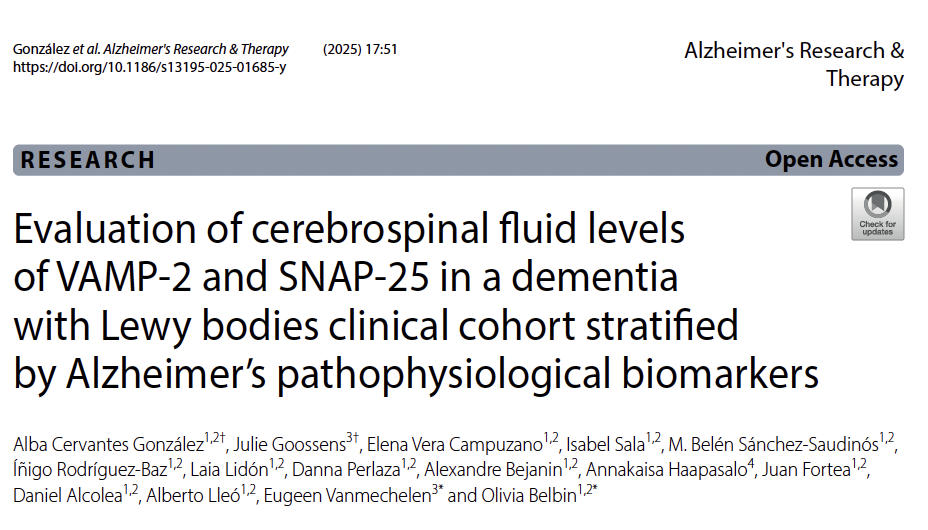
Synaptic Proteins VAMP-2 and SNAP-25 as Biomarkers in Dementia with Lewy Bodies

Dementia with Lewy bodies (DLB) is one of the leading causes of dementia, yet clear biomarkers for its diagnosis and monitoring are still lacking. The Lewy bodies in the brains of people with DLB are primarily composed of accumulations of the protein α-synuclein, which can cause synaptic dysfunction from the early stages of the disease. … Read more

World Alzheimer’s Day: Sant Pau Focuses on Individuals with Down Syndrome

On World Alzheimer’s Day, the aim is to raise awareness about this incurable neurodegenerative disease that primarily affects elderly individuals. However, this year, Hospital de Sant Pau has shifted its attention to a particularly vulnerable group: individuals with Down syndrome. Alzheimer’s is characterized by cognitive decline and behavioral disturbances, with recent memory loss being one … Read more

Why study sex differences in Alzheimer’s disease and in the context of Down syndrome?

Why study sex differences in Alzheimer’s disease and in the context of Down syndrome?

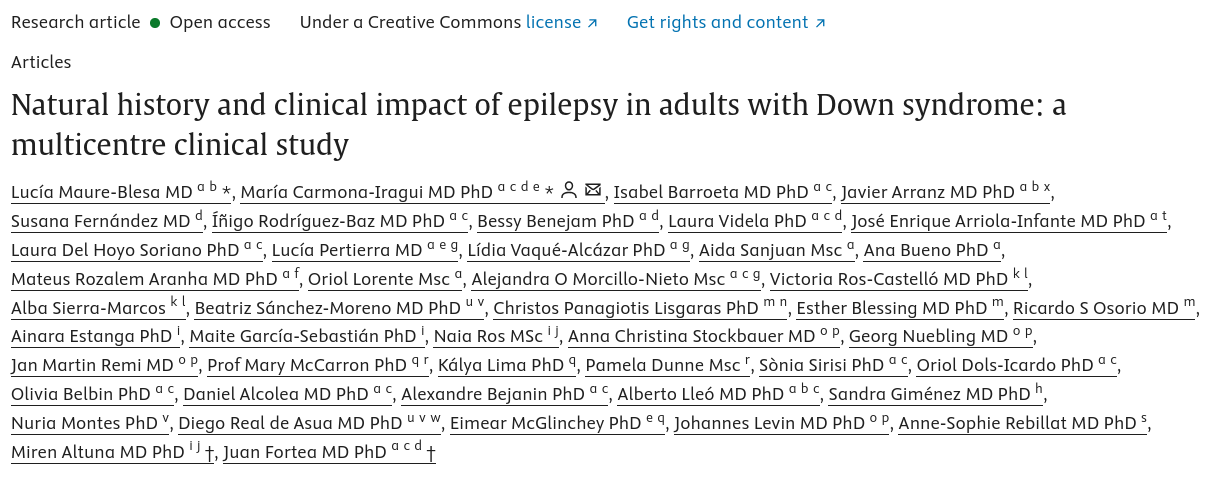
Why study sex differences in Alzheimer’s disease and in the context of Down syndrome? The topic of sex differences is increasingly recognized as a top priority in neurology research, particularly in the context of precision medicine and personalized care strategies. Women account for around two-thirds of patients with Alzheimer’s disease, as well as their caregivers. … Read more

The effect of different preanalytical conditions on the stability of blood biomarkers in the diagnosis of Alzheimer’s disease

Clin Chem Lab Med - Mansilla et al. 2023

Stability of plasma samples and Alzheimer’s biomarkers Alzheimer’s disease is considered one of the most common causes of dementia in the elderly. Recently, blood biomarkers: Aβ1-42, Aβ1-40 and phospho Tau181 (p-Tau181), are proving useful in the diagnosis of the disease in research studies, but their analytical stability is unknown. A joint study between the Memory … Read more