
Sant Pau Memory Unit
“Excellence in care, research and innovation
in neurodegenerative diseases.”
+500
PUBLICATIONS
+60
RESEARCHERS
+20
YEARS OF RESEARCH
+300
INTERNATIONAL COLLABORATIONS
OUR RESEARCH ⬈
CLINICAL TRIALS ⬈
The unique composition of the Sant Pau Memory Unit has favored the development of translational research lines that combine clinical observation, direct contact with the people treated and their families, and basic research in the laboratory.
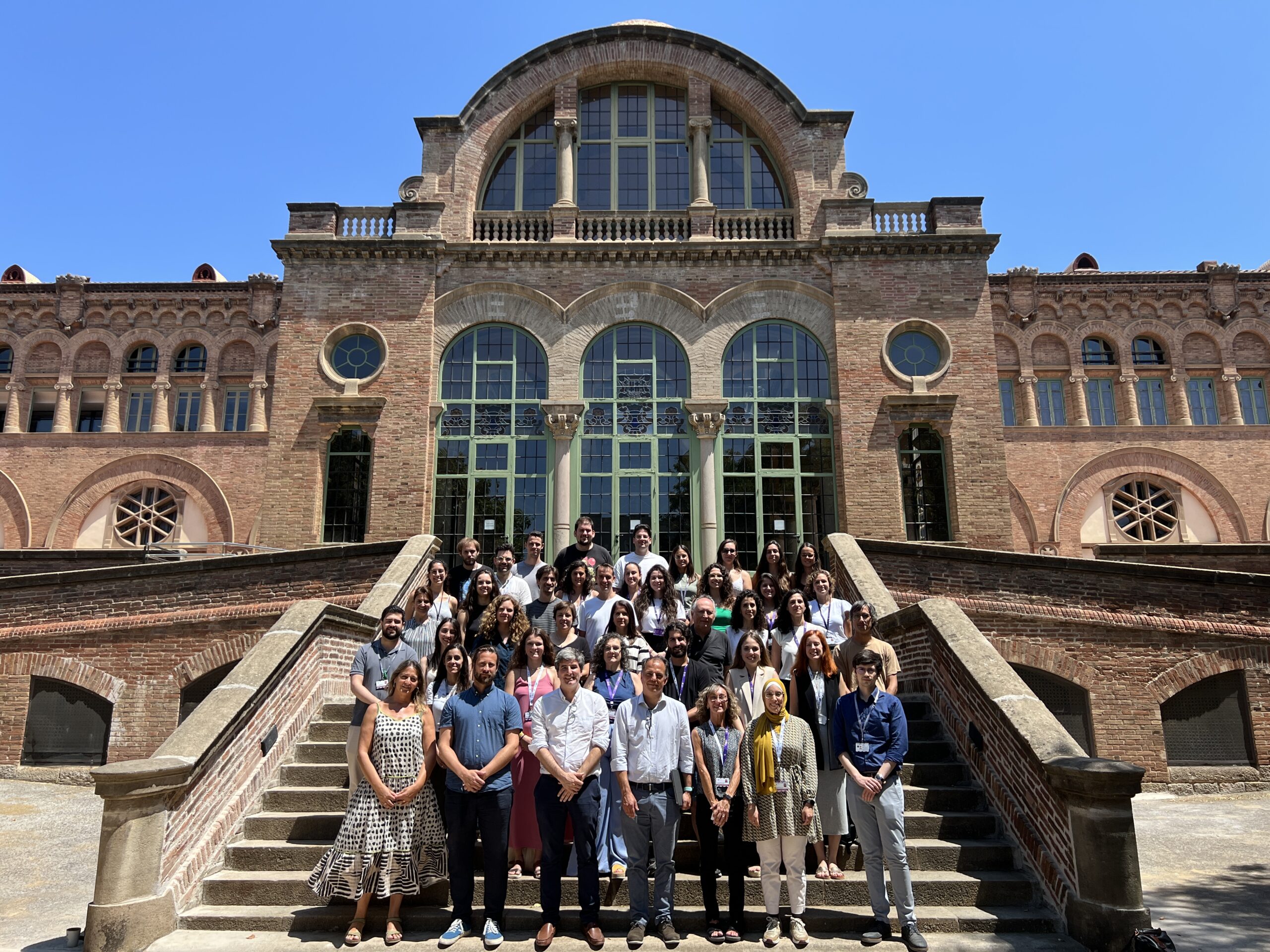
Our Memory Unit treats more than 2000 patients each year and is made up of a multidisciplinary team of professionals that includes specialists in neurology, neuropsychology, biology, engineering, laboratory technicians and research nursing staff. This multidisciplinary structure, unique in the State and exceptional in Europe, allows us to combine clinical and laboratory studies, positioning our team as a benchmark in the treatment and research of Alzheimer’s disease.
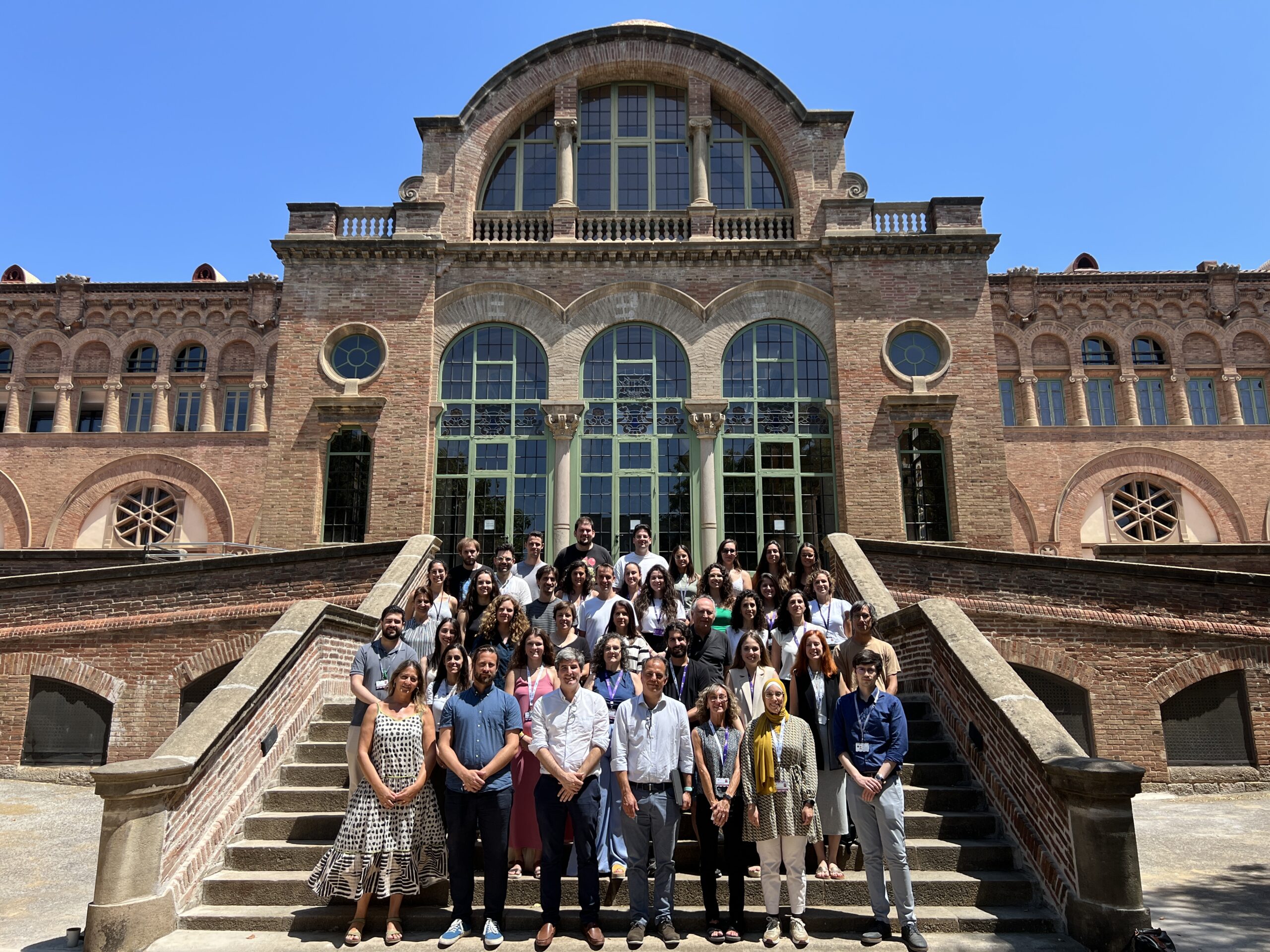
The Sant Pau Memory Unit of the Neurology Department at Hospital de la Santa Creu i Sant Pau in Barcelona is a multidisciplinary team dedicated to the assistance and research in Alzheimer and other neurodegenerative diseases.
We welcome our new team members!💙
Welcome to the Memory Unit! We continue growing and adding talent to our team. We welcome our new team members and the professionals joining our Memory Unit during this period of training and collaboration. Visiting health professionals Professional Centre /...
Chronic traumatic encephalopathy found in three Creutzfeldt–Jakob disease cases
Introduction: What do we know about head injuries and neurodegenerative diseases? Chronic traumatic encephalopathy (CTE) is a neurodegenerative disease associated with repetitive head impacts and has been linked particularly to long-term participation in contact...
We welcome our new team members!💙
Welcome to the Memory Unit! We continue growing and adding talent to our team. We welcome our new team members and the professionals joining our Memory Unit during this period of training and collaboration. New team members Marc Sans ↗ Visiting health...
