
Our research
The unique composition of the Sant Pau Memory Unit, gathering a team of neurologists, neuropsychologists, research nurses, biologists, engineers and laboratory technicians, has fostered the development of translational research lines that combine clinical observations, direct contact with patients and their relatives, and basic laboratory research.
In the last years, the group has contributed numerous research articles in high impact journals that have been presented at the principal national and international congresses in the field of neurodegenerative diseases. Moreover, as we are firmly committed to the development of new and better treatments against Alzheimer’s disease, our group has taken part in numerous research clinical trials.
Our cohorts
SPIN Cohort (Sant Pau Initiative on Neurodegeneration)
The SPIN cohort aims to advance our understanding of neurodegenerative diseases such as Alzheimer’s disease, Lewy body dementia, and frontotemporal lobar degeneration by studying biochemical and neuroimaging biomarkers. To achieve this, we rely on the collaboration of patients and healthy volunteers who undergo neuropsychological assessments, blood tests, and imaging studies. This information is helping us understand how biomarkers relate to memory performance and how they evolve over time.
DABNI Project (Down Alzheimer Barcelona Neuroimaging Initiative)
The DABNI project aims to unravel the mechanisms leading to Alzheimer’s-type dementia in Down syndrome, with the goal of advancing scientific knowledge, enabling early detection, developing new therapeutic strategies, and improving the quality of life of patients and their families.
Our research
Sporadic and genetically determined Alzheimer’s disease: from natural history to biological diagnosis and treatment

Juan Fortea – Principal Investigator
This research line aims to deepen our understanding of clinical and biomarker changes in Alzheimer’s disease, both in its sporadic form and its genetic variants (including autosomal dominant Alzheimer’s disease, Down syndrome, and APOE ε4 homozygotes). Through a multidisciplinary approach and the integration of clinical, genetic, neuroimaging, and biochemical data, we aim to identify early pathophysiological mechanisms, validate biomarkers for accurate and timely diagnosis, and define therapeutic windows that optimize preventive or disease-modifying interventions. Within the framework of the DABNI study (Down Alzheimer Barcelona Neuroimaging Initiative), complemented by international cohorts, we employ multimodal biomarkers and longitudinal follow-ups to characterize the disease continuum from preclinical stages to dementia. Our goal is to advance personalized medicine by enabling patient stratification, rational clinical trial design, and the implementation of new therapies targeting early stages of the disease.
Cellular and neuropathological bases of neurodegenerative diseases

Alberto Lleó – Principal Investigator
Our research focuses on the study and characterization of the key mechanisms involved in the most common neurodegenerative diseases, such as Alzheimer’s disease, dementia with Lewy bodies, and frontotemporal dementia. To this end, our team utilizes various cellular models of APP and tau aggregation, and postmortem human tissue, and has developed sophisticated advanced microscopy techniques, such as array tomography, available in very few centers worldwide. Our research is highly translational, and the knowledge derived from these mechanisms is translated into the development of drugs, primarily monoclonal antibodies, with potential therapeutic application in these diseases
Transcriptomics and genomics applied to neurodegenerative diseases

Oriol Dols – Principal Investigator
Our team focuses on the study of genomics and transcriptomics in neurodegenerative diseases, with a particular emphasis on amyotrophic lateral sclerosis (ALS), frontotemporal lobar degeneration (FTLD), and Alzheimer’s disease. We apply high-throughput DNA and RNA sequencing technologies, both at bulk and single-cell resolution, to investigate the genetic architecture and molecular mechanisms underlying these disorders. A central line of our research is the study of neuroinflammation, especially through the characterization of the immune system and its cellular components. By integrating unbiased omics data with in vitro disease models, our goal is to identify novel biomarkers and therapeutic targets to advance diagnosis and treatment.
Multimodal neuroimaging in neurodegenerative diseases

Alexandre Bejanin – Principal Investigator
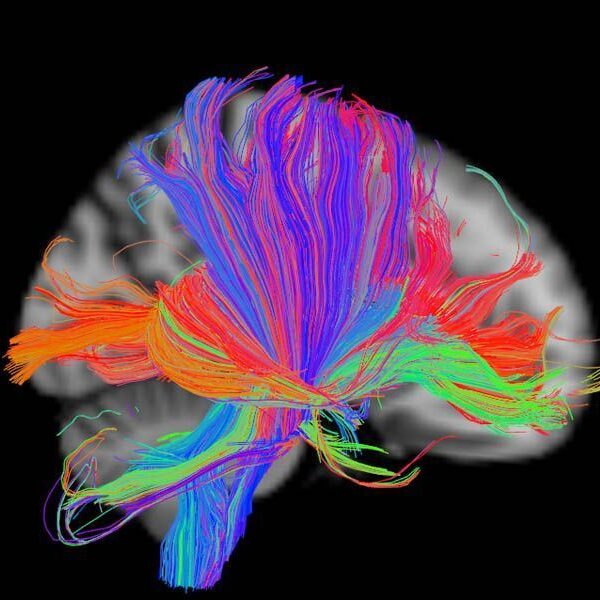
This line of research focuses on the development and application of advanced neuroimaging techniques—including structural MRI, diffusion MRI, functional MRI, and PET—to detect and characterize early brain changes and the underlying pathophysiological processes in both sporadic and genetic Alzheimer’s disease, as well as related neurodegenerative disorders (e.g., FTLD, DLB). Specifically, we employ state-of-the-art preprocessing pipelines to quantify atrophy, cerebrovascular pathology, microstructural disruption, network dysfunction, and protein deposition. Additionally, we implement multimodal analytical approaches and integrate imaging metrics with fluid biomarkers and cognitive assessments to advance early detection, refine disease progression monitoring, and deepen our understanding of neurodegeneration.
Characterization of epilepsy in Alzheimer’s disease and Down syndrome

María Carmona – Principal Investigator
This research line aims to describe and compare the clinical, electroencephalographic, and progressive features of epilepsy in both contexts. Through a multidisciplinary approach and the use of multimodal biomarkers, we seek to improve early detection, clinical management, and understanding of the shared and distinct mechanisms linking epilepsy and neurodegeneration in these two populations.
Clinical application of biochemical markers in degenerative dementias

Daniel Alcolea – Principal Investigator
This line of research studies the clinical applicability and utility of using biochemical markers in the evaluation of patients with degenerative dementias. This field includes the comparison of different techniques for measuring these markers and the analysis of their diagnostic performance in clinical practice.
Natural history, diagnosis, and treatment of frontotemporal lobar degeneration

Ignacio Illán – Principal Investigator
The research line “Natural History, Diagnosis and Treatment of Frontotemporal Lobar Degeneration” aims to characterise the clinical evolution of these neurodegenerative disorders, validate diagnostic markers (clinical, biochemical and neuroimaging) and define optimal therapeutic windows for future interventions. Through a multidisciplinary approach and the international GENFI study, we employ multimodal biomarkers and longitudinal follow-up to enhance early detection, clinical management and the implementation of new therapies for this heterogeneous group of neurodegenerative diseases for which no curative treatments are currently available.
New neuropsychological assessment tools in sporadic neurodegenerative dementias

Isabel Sala – Principal Investigator
Within the framework of specialized care for patients with cognitive impairment, this line of research focuses on the exploration of innovative new neuropsychological tools, their validation, and clinical application for the assessment of sporadic neurodegenerative dementias, such as Alzheimer’s disease or dementia with Lewy bodies, among others. The main goal is to improve the sensitivity and specificity of available diagnostic instruments by incorporating computerized tests, culturally adapted scales, and new cognitive batteries that enable earlier and more accurate detection of cognitive deficits. This research line also explores the use of emerging technologies such as mobil applications, artificial intelligence, virtual reality, or simulators to analyze cognitive performance, with the aim of complementing traditional clinical evaluation and optimizing therapeutic decision-making.
New neuropsychological assessment tools in individuals with Down syndrome

Laura del Hoyo – Principal Investigator
Focusing on the development and validation of neuropsychological assessment tools for individuals with Down syndrome, this research line has three main objectives: (1) to capture the full range of cognitive variability in the premorbid stage to establish accurate individual baselines; (2) to detect early Alzheimer’s disease-related cognitive decline in reference to individualized premorbid abilities; and (3) to leverage digital technologies enhancing the scalability, accessibility, and efficiency of cognitive assessment in clinical and research settings.
Fluid biomarker development for synaptic degeneration in neurodegenerative diseases and neuropsychiatric disorders

Olivia Belbin – Principal Investigator
Our research focus is the development of novel tools to aid the diagnosis and monitoring of neurodegenerative dementias (Alzheimer’s disease, frontotemporal dementia and dementia with Lewy bodies) and psychiatric disorders (major depressive disorder, bipolar disorder and schizophrenia). To achieve this our research is divided into 3 major pillars; 1) developing a panel of biomarkers that measure neuronal connectivity, which could be used as an objective measure of therapeutic efficacy, 2) integrating genetic, proteomic and clinical data to develop polygenic risk scores for precision medicine and 3) postmortem and in vitro studies to guide the development of novel therapeutic interventions.
Sleep and neurodegeneration

Sandra Giménez – Principal Investigator
Our research investigates the bidirectional relationship between sleep disturbances and cognitive decline in individuals with degenerative dementias, including those from the general population and individuals with Down syndrome. Using a multidisciplinary approach, we employ a range of neurophysiological techniques—including 19-channel EEG video polysomnography, multiple sleep latency tests, actigraphy, and temperature monitoring—to characterize sleep and circadian rest-activity patterns. By integrating these methods with multimodal biomarkers, we aim to identify early sleep-related indicators of neurodegenerative disease and its progression. Ultimately, this work seeks to enhance early diagnostic practices and support targeted interventions that manage sleep disturbances to potentially delay or prevent cognitive deterioration.
Neurobiology of language and cognition in degenerative diseases: from mechanisms to clinical application
 Miguel Ángel Santos – Principal Investigator

Our research explores how language and other cognitive functions are implemented in the brain and how they are altered in the context of neurodegenerative disease with a special focus on language-led dementias caused by Alzheimer’s Disease and Frontotemporal Lobar Degeneration including Primary Progressive Aphasia. We combine innovative behavioral testing with the analysis of pathophysiologic fluid biomarkers and advanced neuroimaging to identify markers of disease progression and resilience that can inform clinical decision-making. Our ultimate goal is to develop sensitive and clinically meaningful tools that improve diagnosis, monitoring, and treatment planning for individuals living with aphasia and cognitive dysfunction caused by neurodegenerative conditions.
